How Purchasing Outside of Your GPO Program Might Be Costing You Time and Money

Imagine you’re a procurement manager or operations leader struggling to stay within budget as expenses quietly creep higher, without a clear explanation.
As you delve deeper to investigate the cause of the price increase, you learn that front-line managers are looking for quick solutions and bypassing approved vendors and group purchasing organization (GPO) agreements in favor of popular online retailers. Although these platforms can appear convenient, unmanaged purchasing outside approved contracts often introduces hidden costs, reduces spend visibility and increases administrative burden.
Unfortunately, this challenge is common across organizations trying to manage procurement spend and compliance effectively.
Often referred to as off-contract or non-standard purchasing, these transactions can significantly impact both procurement budgets and operational performance. The hidden costs and inefficiencies of these non-GPO suppliers, also known as non-standard suppliers, can significantly impact your procurement budget and operational efficiency.
Let’s take a closer look at why supplier consolidation and strategic procurement policies can save your organization money, time and headaches.
The Risks of Non-GPO Suppliers
Beneath the surface of quick shipping options and misleading low prices, purchasing outside of your GPO program can create risks that may ultimately hurt your organization.
1. Pricing Volatility
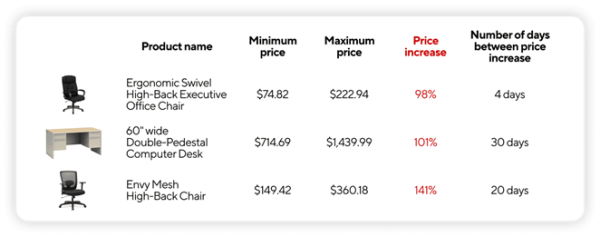
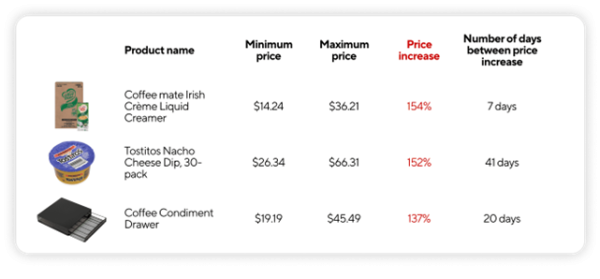
One of the biggest challenges with non-standard suppliers is the reliance on dynamic pricing models. This means prices fluctuate based on demand, creating unpredictability that can derail your budget. If you’re not consistently tracking these prices, most will never be aware of such practices. In procurement environments where thousands of purchases occur each month, even small price swings can compound quickly.
Staples recently tracked real-world pricing variations from non-standard suppliers, highlighting frequent price increases on commonly purchased items such as office furniture and breakroom supplies:
2. Procurement Compliance Gaps
Consumer-focused suppliers are rarely designed to support enterprise procurement requirements. As a result, organizations may face challenges such as:
- Limited invoice detail
- Inconsistent reporting formats
- Reduced audit visibility
These gaps make it harder to track spend, enforce purchasing policies and demonstrate financial accountability. There may also be added risk related to:
- Product safety standards
- Regulatory requirements
- Sustainability and diversity commitments
3. Product Quality Concerns
Organizations that rely on consistent quality standards may face increased risk when using non-GPO suppliers. Without contracted quality guarantees, product consistency can vary, leading to operational disruptions and higher replacement costs.
4. Return Complications
Return policies can vary widely, and may include:
- Short return windows
- Restocking fees
- Customer-paid shipping
When these hidden costs are factored in, the original “low price” often disappears.
5. Data Security
Third-party suppliers frequently handle sensitive data. If cybersecurity practices are inadequate, your organization could face compliance violations, financial losses and even reputational damage.
Key Takeaway: GPO Suppliers can Save You Time and Money
When purchasing outside of a group purchasing organization, procurement teams often face higher administrative overhead caused by an ever-changing vendor list. Managing too many vendors on your own can mean juggling different billing systems, delivery schedules and return policies, pulling valuable time away from your organization’s strategic procurement initiatives and other essential daily tasks.
Hidden procurement costs often stem from unclear policies and well-intentional, but inconsistent purchasing practices.
Here are a couple of things to remember:
- Non-GPO suppliers introduce hidden risks. While they may appear convenient, they can bring issues like unpredictable pricing, compliance gaps, quality problems, difficult returns and data security risks.
- GPOs streamline procurement operations. Purchasing through a GPO can reduce admin work, improve spend visibility and make operations smoother. GPO account managers can also serve as an extension of your procurement department.
- Cost savings can add up quickly. Organizations using GPOs like WellLink can save 10-20% on frequently purchased products and services.
Reducing hidden procurement costs starts with minimizing vendor fragmentation and using approved vendors to maintain efficiency and long-term financial health.
Supplying more than 500,000 customer sites and providing 99% fill rate, Staples offers next-day delivery to over 98% of the United States. Contact WellLink Group Purchasing to learn how you can save on Staples products, including furniture, JanSan, electronics, food, breakroom supplies, and more.